
WomenInTech. How women from Azerbaijan are building the next generation of tech talent

Women in Azerbaijan are not only building careers in technology but also creating educational initiatives, supporting young entrepreneurs, and opening new opportunities for the next generation of tech professionals. Read our interview with Amina Melikova and Nigar Hasanli, two women from Baku who are helping shape the next generation of tech professionals in Azerbaijan.
Amina Melikova, Baku city, Head of SABAH.academy, LinkedIn
About me
I am the Head of SABAH.academy, an entrepreneurship education initiative in Azerbaijan. For the past four years, I have been building programs that help university students see entrepreneurship not simply as something they study, but as something they can actually do. Today, SABAH.academy works across 16 universities and has reached more than 5000 students.
My work sits at the intersection of education, technology, and entrepreneurship. I lead the academy’s strategy, team, and partnerships, and increasingly focus on how technology and AI can make entrepreneurship education more personalized and accessible at scale.
My career has been quite nonlinear. One of the earliest turning points came when I was 19. I went to a summer program at Parsons in New York intending to study fashion design, but the class was full, so I took Design Management instead. That was my first exposure to business models, customer validation, and turning ideas into something you could actually test.
I later studied linguistics and worked across youth leadership, events, and marketing. A particularly formative experience was becoming National President of AIESEC Azerbaijan, where I learned at a young age what it meant to build a team and lead an organization.
Then, in 2022, I joined SABAH.academy. Over the following four years, we grew the program to 16 universities and more than 5000 students. In 2023, we also obtained an educational license from Azerbaijan’s Ministry of Science and Education, which allowed universities to integrate our entrepreneurship program into their formal academic offerings.
In February 2024, I launched University Demo Day as an inter-university pitch competition, but it has always been more than that. It gives student founders a stage to test their ideas in front of investors, founders, and other ecosystem players. Sometimes, one conversation can genuinely move an idea forward.
At our most recent Demo Day, one student startup received a $10 000 soft investment commitment from Caucasus Ventures. Today, University Demo Day is one of SABAH.academy’s flagship events and a recognized platform within Azerbaijan’s startup ecosystem.
Another milestone I value just as much is the team I have built. Many joined as interns or recent graduates with very little experience; today, some of them are leading others. For me, building something also means developing people who can eventually run it without you.
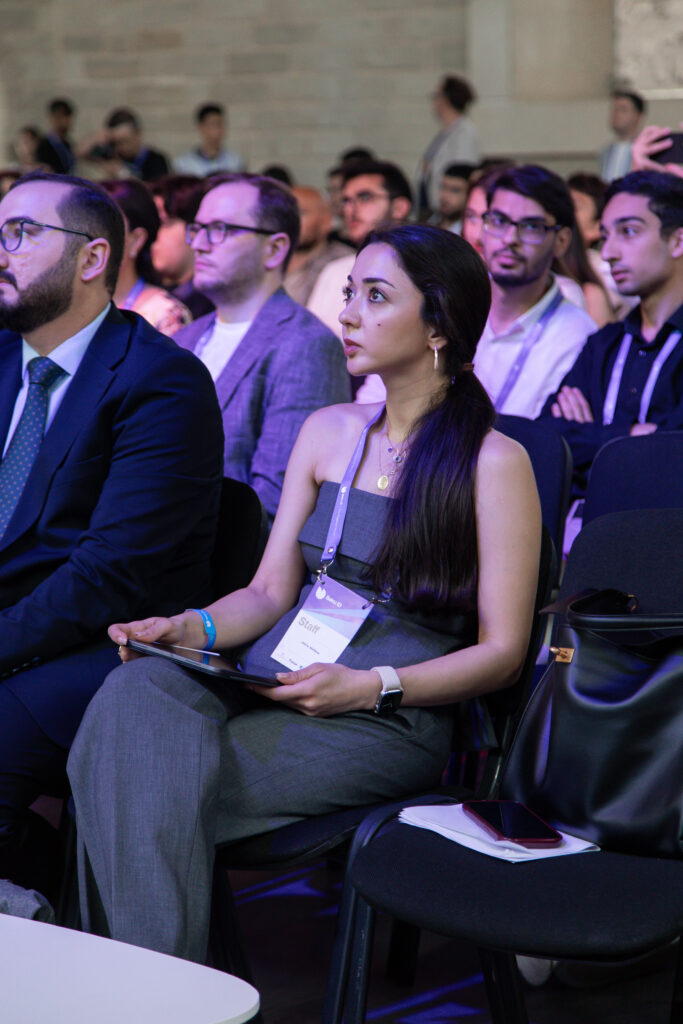
How I got into IT
I never consciously decided, “I want a career in tech”. What has always attracted me is building — taking an idea, testing it with real people, discovering what does not work, and improving it.
Technology gradually became inseparable from that process.
Working with thousands of students also showed me a problem: you can scale educational content, but good mentorship is much harder to scale. That is what drew me toward AI.
Today, I am particularly interested in whether technology can make individualized entrepreneurial guidance accessible to people who may not have experienced founders or mentors around them. We are already experimenting with a hybrid model that combines digital learning with human mentorship.
For me, technology is not the objective itself. It is infrastructure that can give more people access to opportunities that previously depended heavily on where they lived or whom they knew.
About stereotypes
Although stereotypes are not always explicit, they can still shape expectations.
I grew up with fairly traditional expectations about how a girl should behave. But leadership often requires the opposite. You have to speak when you are not completely certain, disagree when necessary, and take up space when the work requires it.
When I became National President of AIESEC Azerbaijan, my predecessor and the other candidates for the position were all men. I remember standing in front of my first national conference as president and being very conscious that I was now the person expected to lead the room.
That experience taught me something I still believe: confidence does not always come before action. Sometimes you act first, and confidence catches up.
Today, I spend much less energy trying to prove that I belong in a room. I focus on whether I can do the work and deliver results.
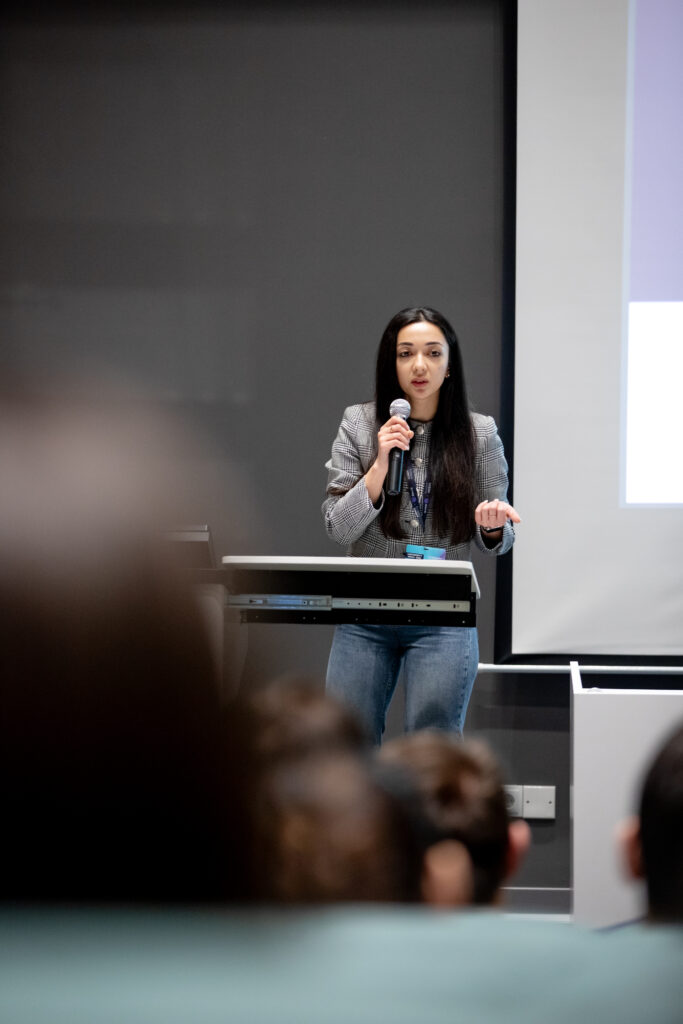
Barriers for women in IT
There are real external barriers: limited access to networks, fewer female role models in senior positions, and different expectations around ambition and leadership.
But there is another, less visible barrier: permission. Many talented women wait until they feel completely qualified before applying for something, speaking publicly, or accepting responsibility. In fast-moving industries, that can hold you back because almost nobody is fully prepared for the next important thing they do.
My own career has repeatedly required me to operate before I felt completely ready. I did not study business or computer science. When I needed to understand entrepreneurship, technology, or AI, I learned by reading, asking people who knew more than I did, and, most importantly, by doing.
That also shapes how I lead. I try to give people meaningful responsibility slightly before they believe they are ready for it, while giving them enough support to grow into it.
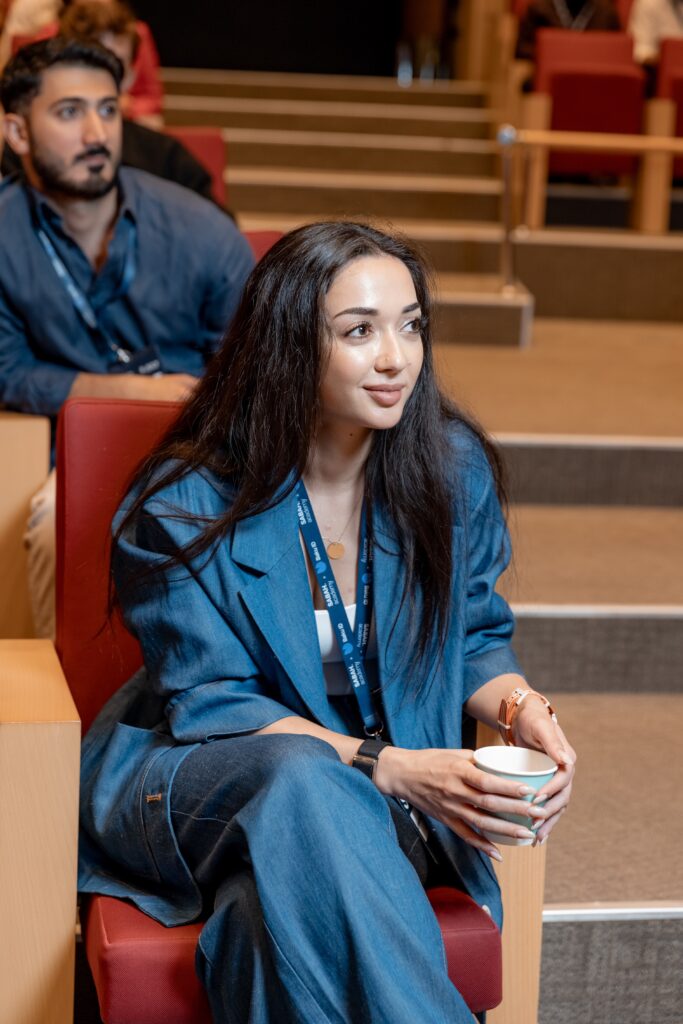
Recommendations for those who are just starting their journey
1. Do not wait until you feel completely qualified. Technology changes too quickly for anyone to remain perfectly prepared. Your ability to learn may be more valuable than what you happen to know today.
2. Build things, even small things. You learn much faster when another person actually has to use what you have created.
3. Deliberately put yourself in rooms where you are not the most knowledgeable person. Some of the biggest jumps in my career happened when I was surrounded by people who knew something I did not.
4. Do not define your career too narrowly at the beginning. I studied linguistics, once thought I would work in fashion, and worked in youth leadership, events, and marketing before eventually leading an entrepreneurship academy.
Careers often make much more sense looking backward than they do while you are living them. You do not need to know exactly where you will end up. Keep moving toward problems difficult enough to keep teaching you something.
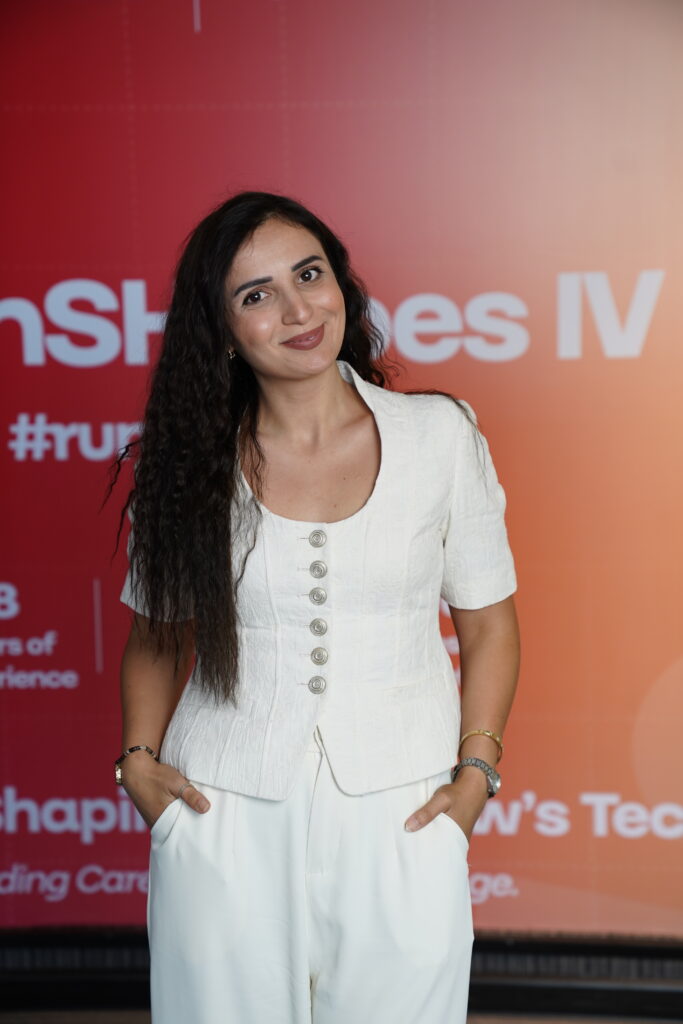
Nigar Hasanli, Baku city, Founder & CEO of Matrix Academy, Founder & CEO of Girls Code Azerbaijan, LinkedIn, Instagram
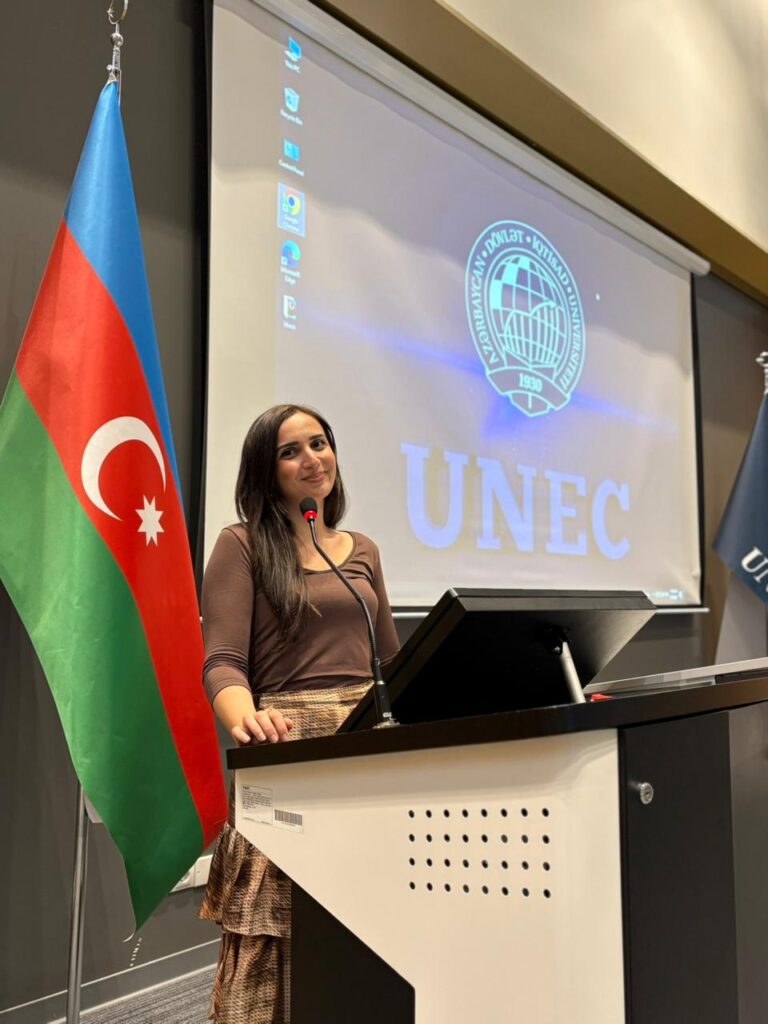
About me
I am an entrepreneur and the Founder and CEO of Matrix Academy, a technology education company focused on developing talent and contributing to Azerbaijan’s digital ecosystem.
Since 2017, we have trained more than 6000 specialists in areas including Artificial Intelligence, Data Science, Data Analytics, Programming, and Design. At Matrix Academy, we offer both foundational and advanced programs, with a strong focus on practical, career-oriented education and industry-relevant skills.
One of the key indicators of our impact is the 90% employment rate among our alumni. Today, our graduates are building their careers at leading local and international companies, which I believe is one of the strongest indicators that our education is aligned with real industry needs.
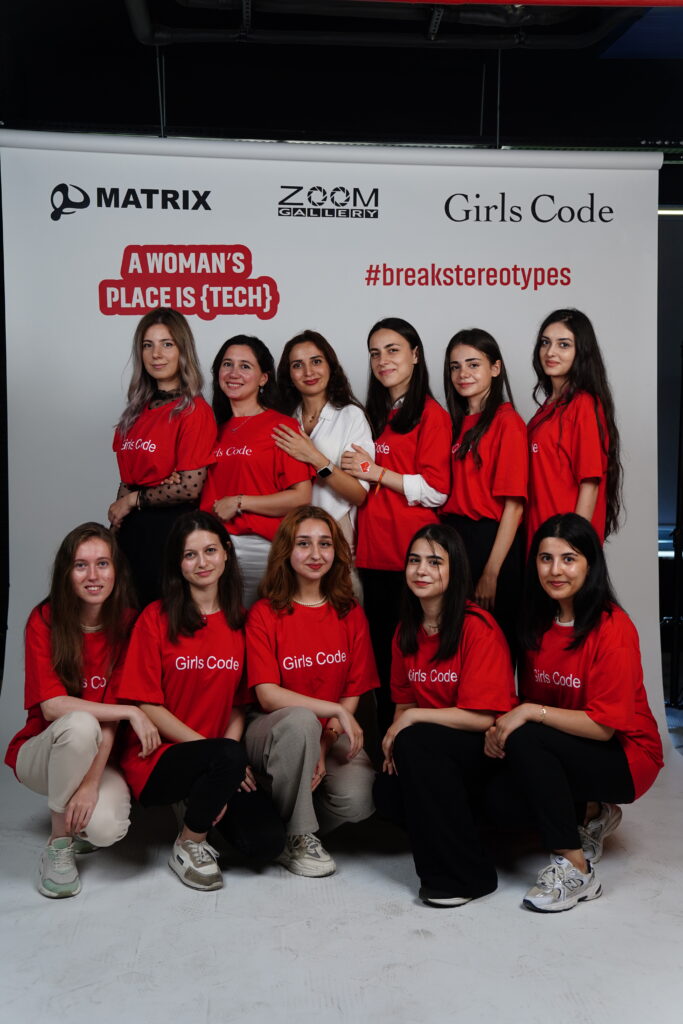
Alongside Matrix Academy, I founded Girls Code Azerbaijan, a social impact initiative dedicated to encouraging more women to pursue careers in technology. Through the platform, we provide scholarships, organize annual events and panel discussions, and connect young women with experienced professionals who can guide and inspire them throughout their career journeys.
Ultimately, my work is focused on contributing to the development of the digital ecosystem by creating opportunities for people to build relevant skills, advance their careers, and connect with opportunities in the technology sector.
How I got into IT
My career journey started with a passion for mathematics. Since school, I have been fascinated by analytical thinking, problem-solving, and finding logical solutions to complex challenges. In 2012, I achieved one of the highest scores at my school in the university entrance exam and was admitted to Baku State University, where I studied Computer Science at the Faculty of Applied Mathematics and Cybernetics. One of my teachers introduced me to programming and encouraged me to consider it as a promising career path. This helped me connect my passion for mathematics with technology.
During university, I learned C# and SQL and actively developed my skills through online courses and self-study. I also started my first job in the technology sector before graduating, gaining practical experience early in my career.
After completing my bachelor’s degree in 2016, I continued working as a Software Developer. In 2017, I earned my first international Oracle SQL Expert certification. That same year, I decided I wanted to share my knowledge with others and founded Matrix Academy, initially offering SQL training.
In 2018, I joined the banking sector as an MIS Specialist in the Finance department of an Azerbaijani bank. This experience showed me how technology, data, and business work together in a corporate environment.
At the same time, I was balancing three roles: working in banking, teaching, and building Matrix Academy. It was challenging, but also one of the most valuable periods of my career. It taught me resilience, discipline, leadership, and how to turn an idea into a sustainable business. I also became actively involved in initiatives supporting women in technology, which later inspired me to establish Girls Code Azerbaijan.
Today, Matrix Academy is much more than a company to me. I have been building it for almost nine years, and I often describe it as my first child. What started with SQL classes has grown into a technology education ecosystem that has trained more than 6000 specialists.
About stereotypes
Like many women in technology, I have encountered stereotypes and unconscious bias throughout my career. I still remember my first interview for a Software Developer position. When I walked into the room, everyone there was a man. Later, when I started my first job, I was the only woman programmer in the IT department.
At the beginning, I sometimes felt that I was not being taken as seriously as my male colleagues. I remember completing my first project and sensing that some people were genuinely surprised that I had been able to deliver it. Of course, that was difficult emotionally, especially at the beginning of my career.
But I decided not to let those perceptions define me. Instead, I focused on building expertise, delivering results, and continuously proving my capabilities through my work. Over time, results became much more powerful than stereotypes.
I was also fortunate to have a family that always believed in me, and that support gave me confidence. But I know that not everyone has that kind of support system, which is one of the reasons I care so much about creating opportunities for women in technology through initiatives like Girls Code Azerbaijan.
My experience taught me that you cannot always control other people’s perceptions, but you can control how prepared you are, how consistently you work, and how you respond to obstacles.
I believe that when you have a clear goal, continuously invest in yourself, and refuse to let stereotypes determine your potential, you can overcome many of the barriers that stand in your way. Sometimes, the best response to bias is simply to keep going and let your results speak for you.
Barriers for women in IT
In my opinion, one of the biggest challenges women face in technology is still the perception of women’s capabilities in technical roles. Women have the same potential as men, but representation is still not equal, particularly in some of the more technical areas of the industry.
When I started my career almost 10 years ago, this gap was even more visible. Fields such as backend development, cybersecurity, database administration, infrastructure, and other core technical roles were heavily male-dominated. Although the situation is improving, we still see a significant gender imbalance in these areas.
At Matrix Academy, we recently analyzed data from our last 1000 students, and the pattern was quite interesting. Women are strongly represented in areas such as UX/UI Design at 81%, Manual QA Engineering at 73%, Graphic Design at 71%, IT Business Analysis at 69%, and Data Analytics at 65%. At the same time, men make up a larger proportion of students in more development-focused programs, including Java Advanced at 86%, Java at 76%, C# at 75%, and Android Development at 67%. For me, these numbers highlight an important challenge: the technology industry needs more women not only in design, analytics, and business-oriented roles, but also in core engineering and technical positions.
I also believe that representation matters. When women see other women succeeding as developers, engineers, data specialists, or technology leaders, it becomes easier for them to imagine themselves in those roles.
Personally, I have navigated these challenges by focusing on my skills, continuously developing myself, and proving my capabilities through results rather than allowing stereotypes to define what I could achieve.
Ultimately, I believe the goal should not be to encourage women toward certain technology careers. The goal should be to make sure they feel equally capable of choosing any career in technology based on their interests, abilities, and potential rather than on stereotypes.
Recommendations for those who are just starting their journey
My first piece of advice would be simple: if you really want to build a career in technology, start somewhere. Do not wait until you feel completely ready, and do not let stereotypes or other people’s opinions define what you are capable of.
There will always be people who may doubt you, question your decisions, or tell you that something is not for you. I have experienced this myself. What matters is knowing what you want, trusting your potential, and listening to your own voice rather than the voices that try to limit you.
You do not have to achieve everything at once. Start with small steps, but be consistent. Learn every day, apply what you learn, work on real projects, and regularly measure your progress. Even small improvements become significant when you make them consistently.
Today, we are also entering a new era shaped by Artificial Intelligence, so I strongly encourage young professionals to learn not only their core technical skills but also how to work effectively with AI and use it as a tool to increase their productivity and creativity.
At the same time, technical knowledge alone is not enough. Soft skills, communication, networking, leadership, and the ability to present your ideas are becoming increasingly important. Build your professional network, learn from people around you, and look for opportunities to collaborate.
And finally, I would tell every young woman: do not try to become a copy of someone else. Find what makes you different. I believe every person has unique strengths and potential. The important thing is to discover those strengths, develop them, and learn how to create value with them.